Handwriting: The Human Advantage in the Age of AI
Handwriting is disappearing from our daily lives—yet it holds the power to rewire our neural pathways and transform our success in business, relationships, health, and even finances. It also guides us in navigating what AI cannot. Through her keynotes, Anagha Deshmukh shows leaders, organizations, and individuals how handwriting unlocks clarity, resilience, and the human edge we need right now.
Handwriting: The Human Advantage in the Age of AI
Handwriting is disappearing from our daily lives—yet it holds the power to rewire our neural pathways and transform our success in business, relationships, health, and even finances. It also guides us in navigating what AI cannot. Through her keynotes, Anagha Deshmukh shows leaders, organizations, and individuals how handwriting unlocks clarity, resilience, and the human edge we need right now.
Anagha As Seen In the News




Why Handwriting Matters More Than Ever
Look around: most of us type more than we write. Children grow up without learning cursive. Leaders rarely pick up a pen except to sign contracts.
It feels like progress. But something important is slipping away, it is dulling our neural pathways.
Handwriting is more than words on paper—it’s your brain in motion. Each stroke reflects how you think, feel, and make decisions. It shows confidence, fears, and patterns that even the best AI tools can’t see.
And here’s the surprising but most valuable part: by making small, intentional changes in your handwriting, you can literally rewire how you think and respond.
That’s why, in a world rushing toward AI, handwriting isn’t old-fashioned. It’s your most human, unhackable advantage.
Signature Speaking Topics
Anagha’s keynotes are bold, practical, and transformative. In her interactive sessions, audiences review their own handwriting and leave with insights they can apply immediately. Unlike computer-based personality tests that can be gamed, handwriting is raw and unfiltered—it reveals who you truly are in real time.
Anagha’s keynotes are bold, practical, and transformative. In her interactive sessions, audiences review their own handwriting and leave with insights they can apply immediately. Unlike computer-based personality tests that can be gamed, handwriting is raw and unfiltered—it reveals who you truly are in real time.
Rewiring Success: How to Break Invisible Blocks and Propel Forward Through Handwriting
Rewiring Success: How to Break Invisible Blocks and Propel Forward Through Handwriting
Discover how handwriting rewires neural pathways, helping leaders break through unseen barriers and accelerate growth.
AI-Proof Leadership: Create a Resilient Leadership Architecture That Withstands Skill Replacements and Makes Your Business Irreplaceable
Learn strategies to future-proof leadership and culture so your organization thrives in the AI era.
Boardroom Breakthroughs: Decode and Align Leadership Before the Competition or AI Outpaces You
Uncover hidden misalignments in leadership teams and create the clarity needed for faster execution.
The Hidden Traits That Define Culture—and How Handwriting Reveals Them
See how handwriting exposes subconscious traits that shape organizational culture and impact performance.
From Signature to Strategy: What Your Signature Says About Your Leadership
Understand how something as simple as a signature reveals leadership style, confidence, and decision-making patterns.
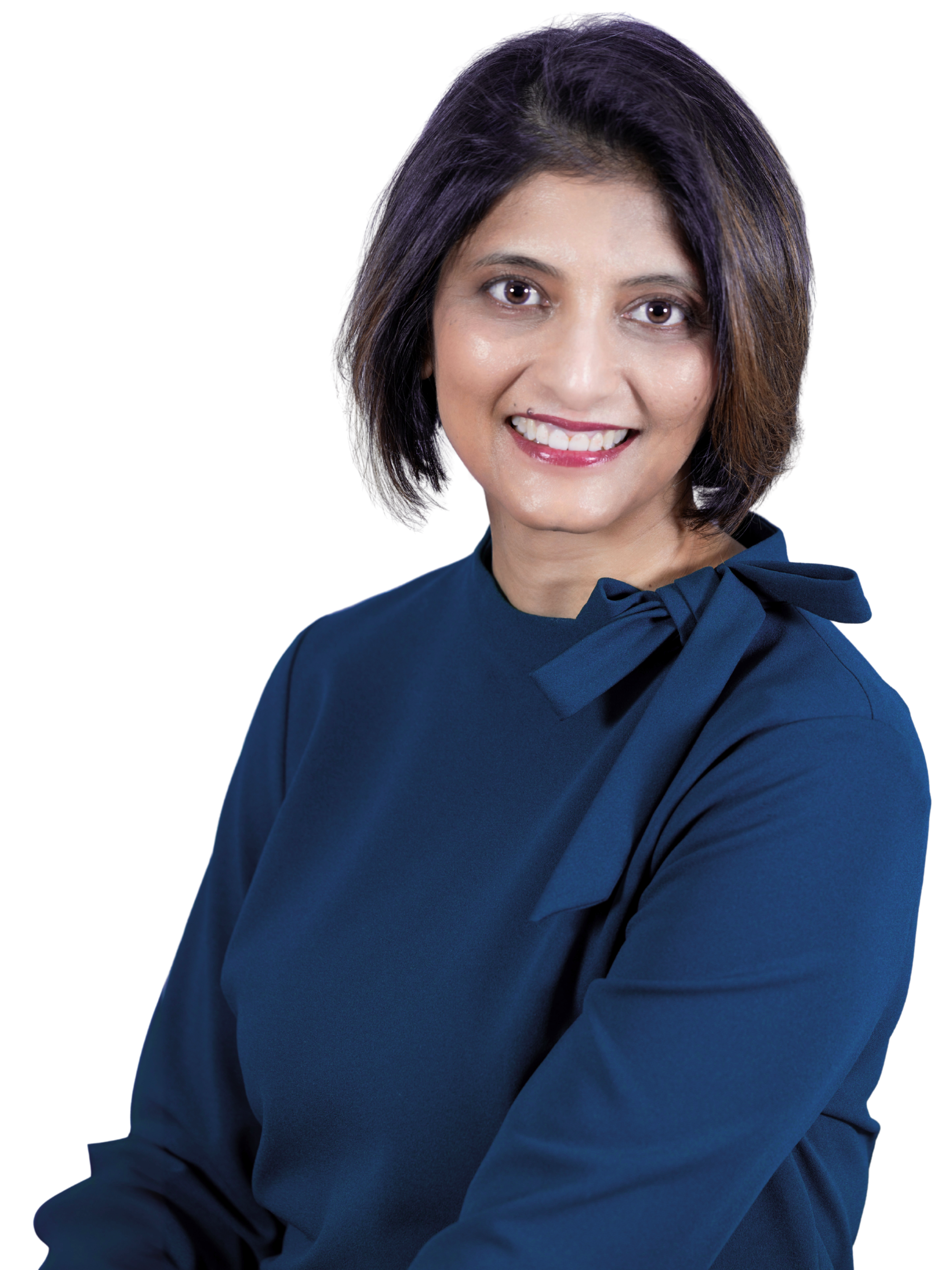
Meet Anagha Deshmukh
She is the founder of the only handwriting-powered system, FastPass Global, that helps leaders and organizations achieve MORE, BETTER, FASTER results in the age of AI. Not just that—it helps elevate leaders in every area of their personal life, including health, relationships, and careers. With two master’s degrees in Engineering and Business, and 23 years of leading global teams across 20+ countries, Anagha has seen firsthand the gap between high performance and high impact.
Today, she is recognized as a Global Handwriting Expert and Leadership Strategist, known for decoding hundreds of subconscious traits from handwriting that traditional assessments miss. She is sought after by celebrity authors and even some Hollywood figures.
Her clients include CEOs, boards, and leaders worldwide who use her insights to:
Uncover hidden blocks that stall careers or teams
Align leadership boards before conflicts cost millions
Rewire subconscious patterns to unlock clarity, resilience, and growth
When she steps on stage, audiences don’t just listen—they see themselves in a new way.

Connect on LinkedIn

About FastPass Global
In today’s AI storm, skills can be replaced overnight. What will truly differentiate companies is leadership, culture, and execution speed. That’s why Anagha created FastPass Global — the only handwriting-powered system that uncovers execution gaps no computer test can detect.
We help organizations hire right, align leadership, and execute strategies faster.
The result: Achieve MORE, BETTER, FASTER.
AI won’t replace leaders, organizations, or nations. Weak leadership will. That’s why FastPass Global exists — to help leaders and organizations achieve MORE, BETTER, FASTER results.
Mission: Shape the Leaders of Tomorrow — prepare next-gen leaders for disruption and resilience.
Culture-First Hiring: Hire resilient talent that lasts.
Boardroom Alignment: Eliminate friction, cut indecision, drive execution.
About FastPass Global
In today’s AI storm, skills can be replaced overnight. What will truly differentiate companies is leadership, culture, and execution speed. That’s why Anagha created FastPass Global — the only handwriting-powered system that uncovers execution gaps no computer test can detect.
We help organizations hire right, align leadership, and execute strategies faster.
The result: Achieve MORE, BETTER, FASTER.
AI won’t replace leaders, organizations, or nations. Weak leadership will. That’s why FastPass Global exists — to help leaders and organizations achieve MORE, BETTER, FASTER results.
Mission: Shape the Leaders of Tomorrow — prepare next-gen leaders for disruption and resilience.
Culture-First Hiring: Hire resilient talent that lasts.
Boardroom Alignment: Eliminate friction, cut indecision, drive execution.
Who Anagha Speaks To
Business Leaders
& Boards

Nations & Global Events

Hiring Leaders
& Recruiters

TESTIMONIALS
What others are saying

"Fundamentally changed how we approach executive development"
"Anagha's presentation was the highlight of our annual conference. Her insights on hidden leadership traits have fundamentally changed how we approach executive development. Months later, our team is still implementing her frameworks with remarkable results."
- Chief Human Resources Officer,
Fortune 500 Technology Company


"I've never experienced anything like Anagha's keynote"
"In 20 years of attending leadership conferences, I've never experienced anything like Anagha's keynote. Her ability to make invisible patterns visible is extraordinary. We immediately restructured our succession planning based on her insights."
- CEO, Global Healthcare Organization

"We can now better assess candidates"
"Anagha's session on trait diversity completely transformed our approach to team composition. We've seen a 40% improvement in project outcomes since implementing her recommendations."
— VP of Innovation, Financial Services
Insights & Ideas
Leadership that moves the needle—one trait at a time
Explore Anagha’s latest thinking on executive performance, team alignment, leadership strategy, and the future of talent. These blog articles offer bite-sized breakthroughs and deep dives alike—created for decision-makers who don’t settle for surface-level leadership.
The Leadership Traits That Actually Predict Performance (and the Ones We Keep Teaching Anyway)
The Leadership Traits That Actually Predict Performance (and the Ones We Keep Teaching Anyway)
If you've sat through a leadership offsite in the last decade, you already know the list. Vision. Integrity. Communication. Emotional intelligence. Resilience. Adaptability. It's the same fortune-cookie wisdom dressed in different fonts, recycled from a 1989 Harvard Business Review article that nobody bothered to update when the world changed.
Here's the uncomfortable truth: most of what gets taught as "leadership traits" is a description of likable people, not effective ones. And when you actually look at the research — not the LinkedIn-influencer version of it — the gap between what we teach and what works is wider than anyone in this industry wants to admit.
Let's get into it.
The "Good Leader" trap
A study released in early 2026 found that 54% of U.S. employees rate their senior leader as "good." Sounds fine, until you read the second half: those same employees report they don't feel valued, don't feel heard, and don't feel able to reach their full potential at work.
"Good" is the most dangerous rating in leadership. It means you're competent enough that nobody's filing complaints, and forgettable enough that nobody's following you anywhere new. Most executive development programs are factories for producing "good" leaders — people who check the trait boxes, present well, and never actually move the needle.
If your 360 came back glowing last quarter, that might be the problem.
What the research actually says
Decades of meta-analytic research on the Big Five personality traits — openness, conscientiousness, extraversion, agreeableness, and emotional stability — keep producing the same finding: conscientiousness is the most consistent personality predictor of leadership effectiveness. Not charisma. Not vision. Conscientiousness. The unglamorous trait of doing what you said you'd do, when you said you'd do it, to the standard you said you'd do it.
This is wildly out of sync with how we promote people. Boards fall for charisma. Search firms reward presence. Founders mistake intensity for judgment. And then we wonder why the new CEO's first 18 months look like a slow-motion car crash.
The other trait that keeps surfacing in serious research is what Leadership Worth Following calls leadership capacity — the ability to think clearly, solve complex problems, and stay effective under pressure. Note what's not in that definition: warmth, likability, storytelling. Those are nice. They're not what predicts whether you can run a $500M P&L through a geopolitical shock.
The three traits that actually matter at the top
After cutting through the noise, three traits consistently separate executives who compound value from executives who just collect titles:
1. Steady judgment under uncertainty. Not the ability to be right. The ability to make a sequence of defensible decisions when you can't be sure, take responsibility for the ones that go wrong, and update without flinching. This is the trait that AI cannot replicate and that boards consistently underweight in hiring.
A useful gut check: when was the last time you publicly changed your mind on something that mattered? If the answer is "I can't remember," that's not consistency. That's brittleness.
2. Earned trust, not borrowed authority. Title trust is on loan from the org chart. Earned trust is the only kind that survives the first crisis. The leaders who hold organizations together during downturns, restructurings, and AI-driven role redesigns are the ones whose people would still take their call after they left the company. Almost everything else — strategy, comms, even compensation design — is downstream of this.
3. The capacity to absorb consequence. McKinsey put it bluntly in a January 2026 piece: AI can inform decisions, structure tradeoffs, and surface risk, but it does not own consequences. It cannot reconcile competing values, absorb blame, or stand in front of a board when outcomes fail.
That's the job now. Not "deciding" — algorithms can help with that. Owning the consequence. The willingness to be the human signature on a hard call is rarer than the industry pretends, and it's about to become the single most valuable executive trait of the decade.
What this means for how you develop leaders
If conscientiousness, judgment, and trust-earning are the traits that matter, then most leadership development is solving the wrong problem. You can't fix conscientiousness with a two-day offsite. You can't manufacture judgment with a framework. And you definitely can't earn trust by attending a workshop on it.
What actually works, in our experience and the research:
Reps under pressure. Stretch assignments with real downside, not curated "leadership opportunities" where the safety net is obvious. Judgment is muscle tissue. It grows under load.
Honest mirrors. Most executives don't need more coaching. They need one person in their life who will tell them the truth without political consequence. Build that relationship. Pay for it if you have to.
Boring consistency over heroic effort. The leaders who compound trust are not the ones who show up brilliantly once a quarter. They're the ones whose tenth follow-up looks like their first.
Subtraction, not addition. Most senior leaders don't need to add a new trait. They need to identify the one default behavior that's costing them — the interrupting, the over-explaining, the avoidance of conflict, the optimism that reads as denial — and remove it. One subtraction usually does more than five additions.
The question worth asking
Forget "what kind of leader do I want to be." That's a vision-board question and it produces vision-board answers.
Try this instead: If the people who report to me described my leadership to a peer at another company over a drink, what would they actually say? Not what I'd want them to say. What would they say?
If you flinched reading that, good. That's where the work is.
The traits that look great on a coaching report and the traits that move organizations are not the same set. The executives who figure out the difference — and have the stomach to act on it — will be the ones running things in five years.
The rest will still be "good."
About the author
Anagha Deshmukh is a Leadership and Handwriting Expert who works with senior executives on the parts of leadership that don't fit on a slide — judgment, presence, and the quiet behavioral patterns that shape how people lead under pressure. Connect with her on LinkedIn.

TESTIMONIALS
What Clients Say About Us
"It was amazingly accurate"
"I thought it was a right on. It was the most amazingly report I've ever seen. On different things out there that you could do. It was amazingly accurate. So I was very impressed."
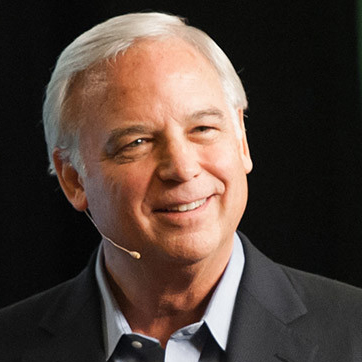
- Jack Canfield | Author
"Implement this to achieve
exceptional results together"
"This process not only helps identify the right people for our team but also enhances our existing members' skills. I encourage you to consider how we can implement this to achieve exceptional results together.."

- Maria Markusen
President / CEO / Board Leader
"We can now better
assess candidates"
"Anagha's session on trait diversity completely transformed our approach to team composition. We've seen a 40% improvement in project outcomes since implementing her recommendations."

- Mynoo Maryel
Author, Visionary and Thought Leader
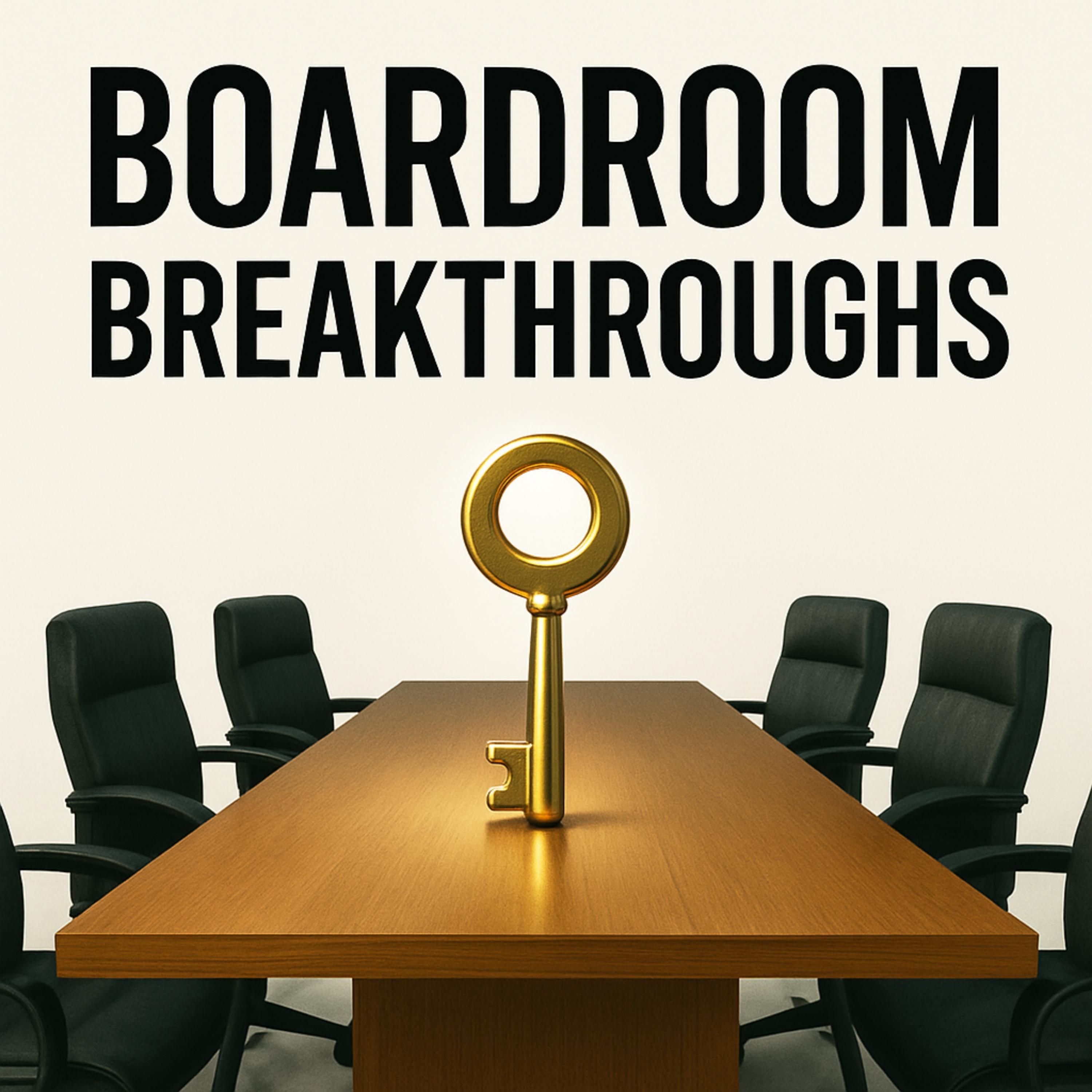
Boardroom Breakthroughs Podcast
Executive Leadership Skills for CEOs to Align the C-Suite & Eliminate Boardroom Friction
Latest Podcast Episodes
3 Ways to Use Handwriting to Predict Executive Leadership Traits & Improve Boardroom Dynamics
How To Prepare For Board Meetings Like a Strategic CEO — Not Just a Presenter
Why You Need Handwriting Analysis To Predict Board Decision Making Styles Before Conflict Erupts
Why CEOs With Strong Executive Leadership Skills Still Make Boardroom Mistakes
Don’t Let AI Replace the Human Edge That Makes You Unstoppable.
The future won’t be won by tools — it will be won by people. LastPass Global helps leaders and organizations rewire hidden blocks so they Achieve MORE, BETTER, FASTER results.
Bring Anagha Deshmukh to your stage and show your audience the hidden power of handwriting—the tool that ensures they thrive, not just survive, in the AI revolution.
The future won’t be won by tools—it will be won by people. FastPass Global helps leaders and organizations rewire hidden blocks to achieve MORE, BETTER, FASTER results.
Bring Anagha Deshmukh to your stage and show your audience the hidden power of handwriting—the tool that ensures they thrive, not just survive, in the AI revolution.